
Tie-dye’s vibrant comeback fuels a demand for proper care guides; preserving those colorful creations requires understanding washing nuances, especially for beginners.
The recent tie-dye trend, spanning workwear to loungewear, necessitates clear instructions to avoid color mishaps during laundry, ensuring longevity and brilliance.
Successfully navigating tie-dye care transforms a fun DIY project into a lasting wardrobe staple, preventing color bleeding and fading with each wash cycle.
The Resurgence of Tie-Dye Fashion
Tie-dye isn’t just a fleeting trend; it’s experiencing a significant and sustained revival, permeating all levels of fashion, from high-end designer pieces to everyday casual wear. This resurgence isn’t limited to summer festivals anymore; tie-dye is now confidently integrated into workwear and comfortable loungewear, demonstrating its versatility.
Throughout the past spring and summer, tie-dye’s popularity exploded, fueled by the desire for unique, expressive clothing during times of increased at-home activities. This DIY aesthetic resonated with many, leading to a surge in tie-dye kits and tutorials. The trend’s enduring appeal suggests it’s here to stay, making proper washing techniques crucial for maintaining these vibrant pieces.
Understanding this fashion wave highlights the need for accessible and comprehensive tie-dye care guides, like a dedicated PDF, to empower enthusiasts to protect their colorful investments.
Why Proper Washing Matters
Successfully transitioning from crafting a vibrant tie-dye masterpiece to incorporating it into your regular wardrobe hinges on mastering the art of proper washing. Ignoring these crucial steps can quickly transform a colorful statement piece into a faded, blended mess, diminishing all your creative effort.
The primary concern is dye bleed, where excess dye releases during washing, potentially staining other garments. A comprehensive PDF guide detailing preventative measures – like cold water washes and dye fixatives – is essential. Without these precautions, your washing machine becomes a risky environment for color mixing.
Protecting your investment and ensuring the longevity of your tie-dye creations demands a dedicated understanding of washing best practices, readily available in a concise, informative PDF.

Understanding Dye Bleed
Dye bleed occurs when unbound dye molecules release during washing, causing colors to run and potentially stain other fabrics; a PDF guide clarifies causes.
What Causes Dye to Bleed?
The primary culprit behind dye bleed is insufficient dye fixation during the tie-dye process itself. Not all dye molecules permanently bond with the fabric fibers, leaving excess dye vulnerable to release when exposed to water and agitation. A comprehensive PDF guide should detail this.
Factors influencing fixation include the type of dye used (fiber reactive dyes generally have better fixation rates), the duration of dye application, and the thoroughness of rinsing after dyeing. Improper rinsing leaves residual dye that readily bleeds;
Furthermore, the fabric’s composition plays a role; natural fibers like cotton are more prone to bleeding than synthetics. A well-structured PDF will explain these nuances, offering tailored washing advice based on fabric type and dye characteristics, minimizing color transfer risks.
The Impact of Water Temperature
Water temperature is a critical factor in preventing dye bleed, and a detailed PDF guide must emphasize this. Hot water dramatically increases dye molecule agitation, accelerating their release from the fabric fibers, leading to significant color loss and transfer.
Conversely, cold water minimizes agitation, keeping dye molecules more securely bound. The initial wash, as highlighted in a comprehensive PDF, always requires cold water to remove excess unbonded dye effectively.
Subsequent washes can gradually introduce slightly warmer water, but consistently prioritizing cold or lukewarm temperatures is best. A PDF should clearly illustrate a temperature scale, advising users on safe washing parameters for optimal color retention and preventing unwanted color mixing.
Fabric Types and Dye Bleed Potential
A tie-dye washing PDF must detail how different fabrics react to dye and washing. Cotton, the most common tie-dye material, generally bleeds more readily than synthetic fibers like polyester;
Rayon and linen also exhibit higher bleed potential, requiring extra caution during the initial washes. The PDF should include a fabric guide, categorizing materials by their susceptibility to dye release.
Blends present a unique challenge; the percentage of each fiber impacts bleed risk. A 50/50 cotton-polyester blend will behave differently than 100% cotton. The PDF should advise testing a small, inconspicuous area before the first full wash, especially for unfamiliar fabrics.
Initial Wash: The First Rinse
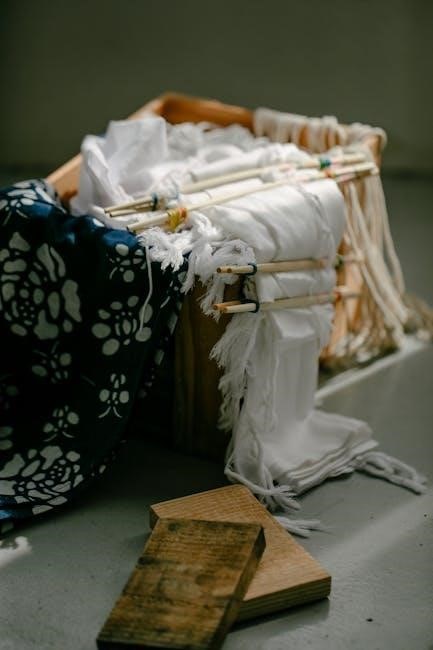
The first wash is critical; a cold water rinse, potentially with a dye fixative, minimizes bleeding and sets the colors for lasting vibrancy.
Importance of a Cold Water Rinse
Cold water is your initial defense against dye bleed, a common concern with newly tie-dyed items. Warm or hot water aggressively opens fabric fibers, releasing unbound dye molecules into the wash water – and onto other clothes! A cold water rinse, however, significantly restricts this process.
Think of it as a gentle introduction to cleaning. The initial rinse isn’t about deep cleaning; it’s about removing excess dye before it has a chance to permanently stain other garments. This first rinse should be done separately, even if you’re confident in your dye-setting process.
Don’t underestimate this step; it’s arguably the most important in preserving the integrity of your tie-dye’s vibrant colors. Subsequent washes can be slightly warmer, but always prioritize cold water for that crucial first rinse to safeguard your colorful creations.
Using a Dye Fixative
Dye fixatives are invaluable for locking in color and minimizing bleed, especially with reactive dyes commonly used in tie-dye. These products work by forming a stronger bond between the dye molecules and the fabric fibers, increasing washfastness.
Several options exist, including commercially available dye fixatives and household remedies like vinegar or salt. While vinegar and salt can help, dedicated fixatives generally offer superior results, particularly for vibrant or deeply saturated colors.
Follow product instructions carefully; typically, a dye fixative is added to the final rinse cycle after the initial cold water rinse. Proper application is key to maximizing its effectiveness and ensuring long-lasting color retention in your tie-dye projects.
Hand Washing vs. Machine Washing (First Wash)
The initial wash is critical for tie-dye, and both hand washing and machine washing have pros and cons. Hand washing offers the gentlest approach, minimizing agitation and potential color bleed, ideal for delicate fabrics or intensely vibrant designs.
Machine washing is convenient, but requires careful settings. Use a cold water, delicate cycle with minimal agitation. Placing items in a mesh laundry bag provides extra protection. Avoid washing with other clothes during this first wash.
Regardless of the method, prioritize cold water and a gentle touch. The first wash removes excess dye, so expect some color in the water – this is normal! Subsequent washes can then transition to more standard practices.
Subsequent Washing Instructions
After the initial rinse, wash tie-dye in cold water with similar colors, using a color-safe detergent to maintain vibrancy and prevent fading.
Recommended Water Temperature for Washing
Maintaining color integrity hinges on consistently using cold water for washing tie-dye garments. Warm or hot water dramatically increases the risk of dye bleeding, potentially staining other clothes and diminishing the vibrancy of your tie-dye. This is especially crucial during the first few washes, as more excess dye is likely to be present.
Even after the initial dye fixative treatment, cold water remains the safest option for subsequent washes. While some detergents claim to be effective in warmer temperatures, the potential for color loss outweighs the benefits. Think of cold water as a protective shield for your colorful creations, preserving their unique patterns and hues wash after wash. Consistent cold-water washing is a cornerstone of long-term tie-dye care.
Detergent Choices: What to Use and Avoid
Selecting the right detergent is paramount for preserving the brilliance of your tie-dye. Opt for color-safe detergents specifically formulated to minimize dye fading and bleeding. These detergents typically lack harsh chemicals like bleach or optical brighteners, which can strip color from fabrics. Powdered detergents are generally preferred over liquids, as they contain fewer potentially damaging additives.
Avoid detergents with enzymes or brighteners, as these can break down dye molecules, leading to color loss. Harsh chemicals found in some standard detergents can also cause the dye to run, staining other garments. Prioritize gentle formulas designed for delicate fabrics or colors, ensuring your tie-dye remains vibrant and eye-catching for years to come.
Washing with Similar Colors
To prevent unwanted dye transfer, always wash your tie-dye items with garments of similar colors. This is especially crucial during the initial washes, as more dye is likely to bleed. Group together dark colors, light colors, and vibrant hues separately. Avoid washing tie-dye with whites or light-colored fabrics until you’re confident the dye is fully set and no longer bleeds.
Consider dedicating a separate load specifically for tie-dye items, particularly if you have a variety of colors. This minimizes the risk of accidental staining and ensures your brightly colored creations remain vibrant. Following this simple precaution safeguards both your tie-dye and other clothing.

Preventing Color Fading
Protecting vibrant tie-dye involves using color-safe detergents, avoiding harsh sunlight during drying, and washing garments inside out for extended brilliance.
Using Color-Safe Detergents
Selecting the right detergent is crucial for maintaining the vibrancy of your tie-dye creations. Traditional detergents often contain optical brighteners and harsh chemicals that can strip dye molecules from the fabric, leading to noticeable fading over time. Opt for detergents specifically formulated to be color-safe; these are designed to be gentler on dyed fabrics.
Look for detergents labeled “for colors” or “color protecting,” as these typically lack the aggressive ingredients found in standard formulas. Furthermore, consider detergents that are free of bleach and enzymes, as these can also contribute to color loss. Liquid detergents are generally preferred over powdered detergents, as they dissolve more completely and are less abrasive to the fabric.
Always read the detergent label carefully to ensure it’s suitable for tie-dye, and when in doubt, test a small, inconspicuous area of the garment first to check for any adverse reactions.
Avoiding Direct Sunlight During Drying
Direct sunlight is a notorious enemy of vibrant colors, and tie-dye is no exception. The ultraviolet (UV) rays in sunlight can cause dyes to break down and fade significantly, diminishing the brilliance of your handcrafted designs. To protect your tie-dye garments, always dry them away from direct sunlight.
The best option is to dry your tie-dye items indoors, either on a drying rack or hung on a clothesline in a shaded area. If you must dry them outdoors, choose a cloudy day or hang them in a location that receives minimal sunlight.
Tumble drying on a low heat setting is also acceptable, but be mindful that any heat can contribute to fading over time. Prioritizing shade and avoiding prolonged sun exposure will help preserve the vividness of your tie-dye for years to come.
Washing Inside Out
Turning your tie-dye garments inside out before washing is a simple yet incredibly effective method for preserving their vibrant colors. This practice minimizes friction between the dyed fabric and the washing machine drum, reducing the likelihood of color fading and abrasion.
By washing inside out, you also protect the surface of the tie-dye design from direct contact with detergents and other items in the wash load. This lessens the chance of dye transfer and helps maintain the clarity of the patterns.
Make it a habit to always turn your tie-dye items inside out before placing them in the washing machine, ensuring long-lasting color and design integrity with every wash cycle.

Dealing with Existing Dye Bleed
Addressing dye bleed involves color catchers, re-dyeing faded areas, or seeking professional cleaning; quick action minimizes further color loss and garment damage.
Color Catchers: How They Work
Color catcher sheets are incredibly useful tools when washing tie-dye, particularly during the initial washes where dye bleed is most prevalent. These sheets, typically made from a polyfiber material, are designed to attract and absorb loose dyes circulating in the wash water.
Essentially, they act like a sponge, preventing the free-floating dye molecules from re-depositing onto other fabrics within the washing machine. To use them effectively, simply toss one or two sheets into the wash along with your tie-dye garment.
For particularly vibrant or heavily dyed items, using multiple sheets is recommended. Remember to replace the color catcher sheets after each wash, as their absorption capacity diminishes with use. They offer a simple, cost-effective solution to protect your other clothes and maintain the vibrancy of your tie-dye!
Re-Dyeing Faded Areas
Over time, even with careful washing, some tie-dye colors may inevitably fade. Re-dyeing offers a solution to revitalize these areas and restore the original vibrancy. For small, localized fading, a fabric marker matching the original color can be effective for touch-ups.
For larger faded sections, consider a fiber-reactive dye, similar to what was used initially. Isolate the faded area using a rubber band or masking tape, and carefully apply the dye, ensuring thorough saturation.
After application, allow the dye to set according to the dye manufacturer’s instructions, often involving a period of dampness and potentially soda ash. Always test the re-dyeing process on an inconspicuous area first to ensure color compatibility and prevent unwanted results.
Professional Cleaning Options
When dealing with particularly delicate tie-dye pieces, or if you’re unsure about home washing methods, professional cleaning offers a safe alternative. Dry cleaners specializing in garment care can assess the fabric and dyes, employing techniques to minimize color bleed and fading.
Communicate clearly with the cleaner, emphasizing the tie-dye nature of the garment and any specific concerns you have regarding color preservation. Inquire about their experience with similar items and the cleaning process they intend to use.
While generally more expensive, professional cleaning can be a worthwhile investment for treasured or intricate tie-dye creations, extending their lifespan and maintaining their vibrant appearance.
Specific Tie-Dye Techniques & Washing
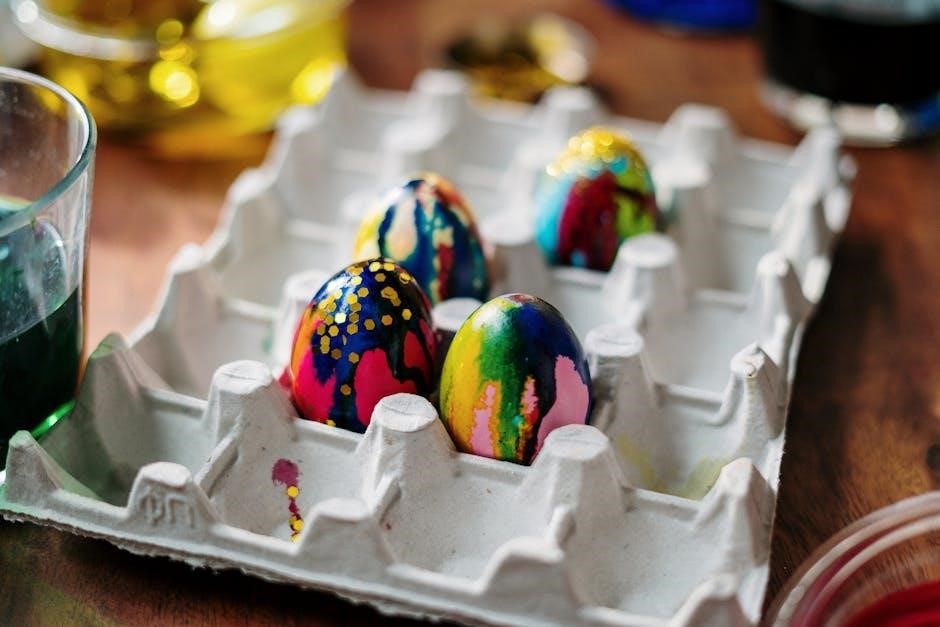
Different tie-dye patterns—spiral, bullseye, and scrunch—may require slightly adjusted washing approaches to best preserve their unique designs and vibrant colors.
Washing Spiral Tie-Dye
Spiral tie-dye, a classic and popular design, often involves intricate color layering, making initial washes particularly crucial to prevent excessive dye bleed. The tightly wound spiral can trap more dye within the fabric folds, increasing the potential for color transfer.
For the first wash, a cold water rinse with a dye fixative is highly recommended. Hand washing is preferable, gently agitating the garment to release loose dye. If machine washing, use a delicate cycle and cold water, washing it alone or with similar colors.
Subsequent washes should continue with cold water and a color-safe detergent. Avoid harsh chemicals or bleach, as these can strip the dye. Turning the garment inside out before washing helps protect the vibrant colors from fading due to abrasion.
Washing Bullseye Tie-Dye
Bullseye tie-dye patterns, characterized by concentric rings of color, present a unique washing challenge due to the concentrated dye within the tightly bound sections. These areas are prone to releasing more dye during the initial washes, potentially affecting other garments.
The first wash is critical; a prolonged cold water soak, ideally with a dye-fixing agent, is essential. Gentle hand washing is highly advised to minimize agitation and dye release. If using a machine, select a delicate cycle and cold water, washing alone.
For subsequent washes, maintain cold water and a color-safe detergent. Avoid hot water and harsh chemicals, which accelerate fading. Washing inside out further safeguards the vibrant bullseye design from wear and tear.
Washing Scrunch Tie-Dye
Scrunch tie-dye, known for its textured and organic appearance, requires a delicate washing approach to preserve its unique character and prevent color bleeding. The tightly scrunched fabric holds a significant amount of dye, making initial washes particularly important.
The first rinse should be cold and lengthy, potentially incorporating a dye fixative to lock in the colors. Hand washing is preferable, but if using a machine, a gentle cycle with cold water and minimal agitation is crucial. Wash the scrunch tie-dye item separately.
Ongoing care involves cold water washes, color-safe detergents, and turning the garment inside out. Avoiding harsh chemicals and direct sunlight during drying will maintain the vibrancy and texture of the scrunch pattern.

Creating a Tie-Dye Washing PDF Guide
A comprehensive PDF guide should consolidate all washing instructions, ensuring clarity and accessibility for tie-dye enthusiasts seeking to protect their vibrant creations.
Essential Information to Include
Your PDF guide must detail initial washing procedures, emphasizing the critical first rinse in cold water and the optional, yet beneficial, use of a dye fixative to lock in colors. Clearly differentiate between hand washing and machine washing for this crucial first step.
Subsequent washing instructions are paramount; specify recommended water temperatures, ideal detergent choices (highlighting what to avoid – bleach!), and the importance of washing tie-dye items with similar colors to prevent dye transfer.
Don’t forget preventative measures! Explain how color-safe detergents, avoiding direct sunlight during drying, and washing garments inside out contribute to long-term color retention. Include a section on addressing existing dye bleed, detailing color catcher usage and potential re-dyeing solutions.
Formatting for Readability
Employ a clear, concise writing style, avoiding jargon and using simple language accessible to all skill levels. Utilize headings and subheadings to break up text, mirroring the article’s structure for easy navigation within the PDF document.
Incorporate bullet points and numbered lists to present instructions in a step-by-step format, enhancing comprehension. Visual aids, such as small images demonstrating tie-dye techniques or color separation, will significantly improve user engagement.
Choose a legible font and appropriate font size; ensure sufficient white space to prevent a cluttered appearance. Consider using color strategically – perhaps a subtle background shade – to highlight key information without distracting from the content.
Distribution Methods (Online & Print)
Online distribution offers broad reach; host the PDF on a personal website, blog, or platforms like Google Drive, ensuring easy accessibility via shareable links. Social media promotion – Pinterest, Instagram, Facebook – can drive traffic to the guide.
For print distribution, consider local craft stores or tie-dye workshops as potential outlets. A professionally printed version enhances credibility and provides a tangible resource for customers. Optimize the PDF for printing, including bleed margins and high-resolution images.
Email marketing to tie-dye enthusiasts is another effective strategy. Offering the guide as a free download in exchange for email sign-ups builds a valuable audience.

Long-Term Care for Tie-Dye
Preserving tie-dye’s vibrancy requires gentle ironing (inside out, low heat), careful storage away from direct sunlight, and prompt repair of minor damages.
Ironing Instructions
Ironing tie-dye garments requires a delicate approach to avoid damaging the vibrant colors and unique patterns. Always iron your tie-dye items inside out; this minimizes direct heat exposure to the dyed areas, significantly reducing the risk of fading or melting any synthetic fibers potentially present in the fabric.
Utilize the lowest heat setting on your iron, and consider placing a thin cloth (like a pressing cloth or clean cotton t-shirt) between the iron and the tie-dye fabric for an extra layer of protection. Avoid prolonged ironing over any single area, as concentrated heat can still cause discoloration.
For intricate designs, like spirals or bullseyes, gently stretch the fabric taut while ironing to prevent creases from setting into the pattern. If the care label allows, a brief steam iron can help remove wrinkles without excessive heat. Remember, patience is key – a gentle touch will keep your tie-dye looking its best for years to come!
Storage Recommendations
Proper storage is crucial for maintaining the vibrancy of your tie-dye creations. To prevent fading, store tie-dye garments away from direct sunlight and bright artificial light, as prolonged exposure can diminish the colors over time. Ideally, store them in a cool, dark closet or drawer.
Avoid tightly packing tie-dye items with darker colored clothing, as color transfer can occur, even after multiple washes. Instead, store them separately or with similar light-colored items. Folding is generally preferred over hanging, as it minimizes stretching and potential distortion of the design.
Consider using acid-free tissue paper between layers of tie-dye, especially for more intricate or delicate pieces, to further protect the colors and patterns during long-term storage. This simple step can significantly extend the life and brilliance of your handmade tie-dye wardrobe!
Repairing Minor Damage
Even with careful washing, minor snags or small holes can occasionally appear in tie-dye garments. For small tears, a simple needle and thread in a matching color can often provide a discreet and effective repair. Reinforce the stitching to prevent further unraveling;
If the dye itself is slightly damaged or faded in a small area, consider using a fabric marker or dye specifically designed for clothing to touch up the color. Test the product on an inconspicuous area first to ensure a good match.
For more significant damage, professional textile repair services may be a worthwhile investment, especially for cherished or unique tie-dye pieces. They can offer more advanced repair techniques and color restoration options, extending the life of your vibrant creations!